Start-Up Costs for Septic Businesses
The septic tank business is undoubtedly a lucrative option for entrepreneurs looking to enter the sanitation industry. Not only can you expect high-income potential, but there’s also enough market demand and plenty of variety in service offerings to keep customers coming back.
In this blog post, we’ll outline all the essential start-up costs for septic business ventures so that you can budget accurately and make informed decisions when it comes to investing in your future company.
TL;DR
- The vacuum pumping truck will be your primary asset.
- Licensing, insurance, and wastewater disposal all add ongoing costs.
- Profit margins typically run 10% to 20% industry-wide.
- Route optimization software helps maximize profit margins.
- A written business plan should come before spending.
What Equipment Do You Need to Start a Septic Business?
Starting a septic tank business requires some upfront investment. Your total startup costs depend on what services you offer and whether you buy, rent or lease your gear. To make an informed decision, you should review an exhaustive checklist of essential septic company equipment before purchasing anything.
Essential Equipment:
- Vacuum truck ($20,000–$50,000+ depending on size)
- Pumps and tanks
- Cleaning tools and repair materials
- Safety equipment and protective clothing
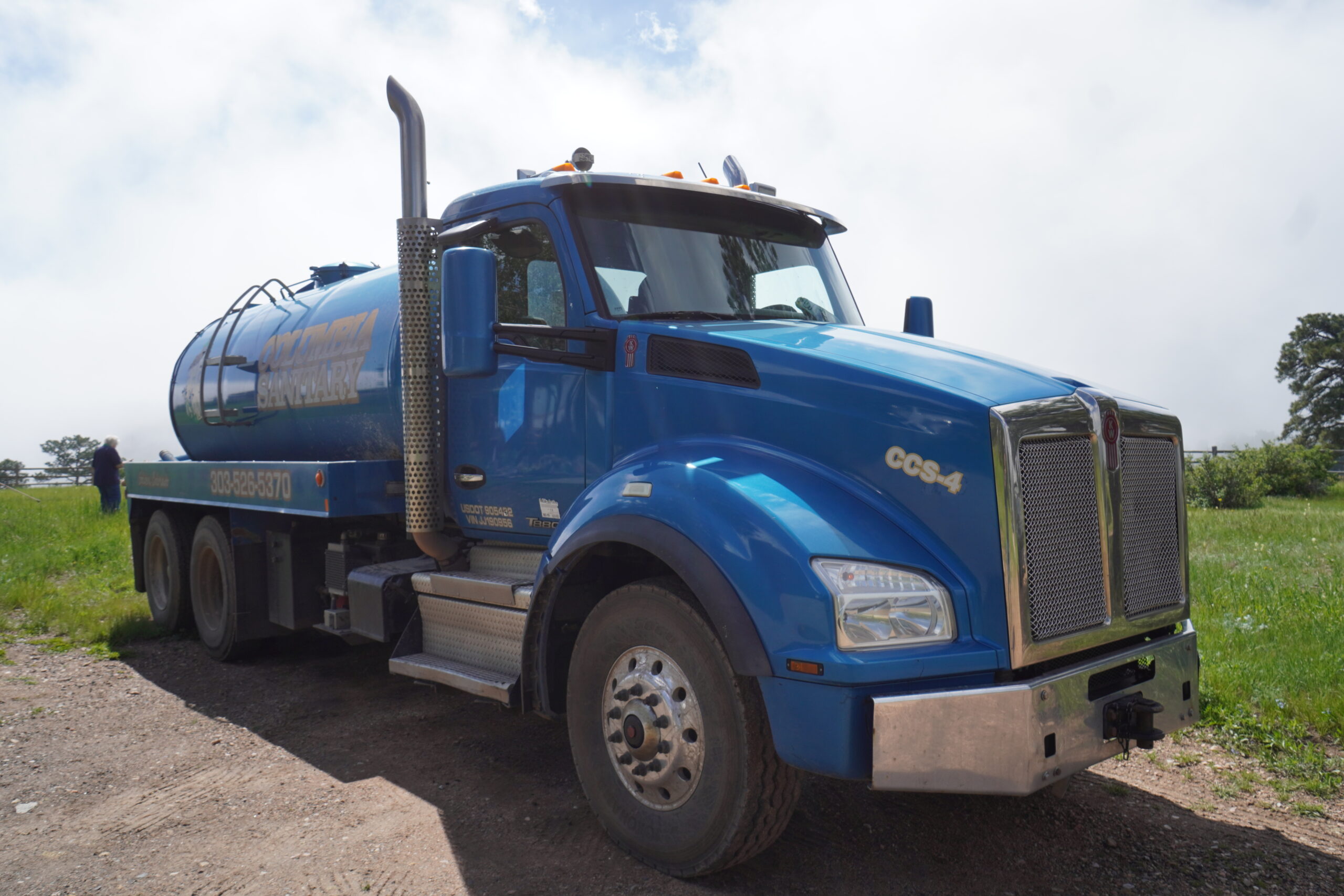
Your primary asset will be a high-quality vacuum pumping truck. While used entry-level models can range from $20,000 to $50,000, reliable higher-capacity vehicles can cost up to $225,000. Additionally, you must budget for specialized tools like locator equipment and inspection cameras to properly diagnose system issues. You will also need containers, hoses, and other protective tools to handle daily pumping and cleaning jobs safely.
Licensing, Certifications, and Insurance
Besides equipment, you must budget for legal and safety requirements:
- Business licenses and registration fees
- Septic and environmental certifications
- Liability and workers’ comp insurance
With a good business plan and proper research, potential septic pump truck and tank entrepreneurs can make informed decisions regarding their new septic pumping venture.
Wastewater Disposal Fees and Regulations
Every septic tank business needs somewhere to legally dispose of the waste that it pumps. Before you find that location you need to acquire a discharge permit from your local municipality or wastewater treatment plant. Disposal fees vary by station, but you can generally expect to pay somewhere between 5¢ and 15¢ per gallon, so it’s worth calling around before you commit to a service area. You’ll also need to stay on top of environmental compliance reporting, since most municipalities require regular documentation of how much waste you’re hauling and where it’s going.
These disposal costs are ongoing, not one-time, so they deserve a line in your budget alongside equipment and licensing. For a deeper look at what day-to-day operations involve, see our guide to running a septic system business.
Total Estimated Start-Up Costs for Septic Business
Starting a septic tank business can cost anywhere from several thousand to tens of thousands of dollars. The total depends on how much equipment you buy new versus used, and how complex your service offerings are.
Plan to invest in:
- High-capacity pumping equipment
- Licenses and permits
- Training and certifications
- Insurance policies
- Marketing budget
With good planning, you can launch with confidence and grow from there.
WANT TO OPTIMIZE YOUR ROUTES?
Learn more about what software can do to automate and streamline your business operations. ServiceCore’s application helps sanitation operators with route optimization, saving you precious time and money! Click here to learn more!
How Much Can You Earn from a Septic Business?
One of the main goals of starting a septic tank business is to generate a steady stream of income. How much you can earn from the pumping business depends on several factors, such as the size and number of customers you have, the services you provide, and your pricing structure. As with any business, it will take some time before you start seeing profits.
Consider offering additional services or providing discounts for returning customers. By focusing on customer satisfaction and building a solid reputation in the community, you can increase your profits over time and approve waste treatment plants.
Getting Started the Right Way
To start a septic tank business, you’ll need a clear plan. This includes estimating the Start-Up Costs for Septic Business operations and ensuring you’re prepared for both the expected and unexpected.
Steps to take:
- Write a business plan
- Secure funding if needed
- Obtain licenses and permits
- Get insured and trained
- Invest in marketing and community outreach to grow your business
NEED A SOFTWARE SOLUTION FOR YOUR SEPTIC PUMPING BUSINESS?
Learn more about what software can do to automate and streamline your business operations. ServiceCore’s application helps portable sanitation operators with inventory management, billing, and route optimization among many other things. Click here to learn more!
How to Draft a Septic Tank Business Plan
Before you spend a dollar on equipment, put together a business plan for your septic tank business. Cover these essentials:
- Market research: look at who else is pumping tanks in your area, what they charge, and which neighborhoods or commercial accounts are underserved.
- Service and pricing: define your menu, whether that’s flat residential pumping rates or recurring commercial maintenance contracts.
- Business structure: choose a structure (sole proprietorship, LLC, or corporation) and register with your state, since lenders and insurers will ask for it later.
- Marketing plan: map out how you’ll reach customers, from local ads to word of mouth.
- Financial forecasting: estimate what you’ll spend on equipment and licensing, and how soon your weekly pumping jobs will cover it.
If you’d rather skip some of this legwork, buying an existing septic business can be a faster path to market, though it comes with its own trade-offs. A solid business plan is the foundation you’ll need to secure a loan or attract investors.
Invest in Your Research and Plan
Researching and planning are essential to ensure you make accurate financial decisions that work best for your business requirements. It’s also important to factor in the necessary operating licenses, permits, and insurance policies which often require additional payments. The more you prepare ahead of time, the clearer your path toward steady growth will be.
FAQs about Starting a Septic Tank Business
What is the typical profit margin for a septic tank business?
Well-managed septic businesses typically achieve profit margins ranging from 10% to 20%, with highly efficient operators sometimes reaching up to 25%. These margins are heavily influenced by local service pricing, operational efficiency, and your route planning strategies. Utilizing specialized routing software can significantly improve these margins by reducing fuel consumption and increasing daily job capacity.
What is needed to start a septic tank business?
Starting a septic tank business requires planning and investment across several areas:
- Equipment. Vacuum truck ($20,000–$225,000+), pumps, tools, hoses, cameras, safety gear.
- Licensing. Requirements vary by state; some states require specific licenses.
- Insurance. Liability and workers’ comp insurance required.
- Disposal permit. Discharge permit needed from municipality or treatment plant.
- Disposal fees. Generally 5¢–15¢ per gallon, varying by station.
- Compliance reporting. Ongoing documentation of waste hauled and destination.
- Labor costs. Budget for hiring and paying employees.
Covering these areas upfront helps set your septic tank business up for long-term success.
What size pump truck is recommended when starting a septic business?
Most industry experts recommend starting a new septic pumping venture with a vacuum truck that has at least a 3,500-gallon capacity. This size provides an ideal balance between vehicle maneuverability on residential properties and holding capacity. It allows operators to complete two or three standard residential pumping jobs before needing to offload waste at a disposal facility. For everything else you’ll need to get started, see our essential equipment checklist.
What are the main ongoing operating expenses for a septic pumping company?
The primary ongoing costs include waste disposal fees, vehicle fuel, truck maintenance, and commercial insurance policies. Disposal fees vary by municipality but typically range from five to fifteen cents per gallon. Labor costs and business management software also represent key operational expenses necessary to run the company efficiently.
What are the legal fees to start a septic business?
The legal fees to start a municipal sewer system or septic business can vary depending on the services and licenses required in your jurisdiction. Generally, entrepreneurs should plan for costs associated with obtaining permits, certifications, and other legal requirements. It is important to research any relevant regulations or restrictions before starting a full-on septic system installation or tank.